Deciding on the best time to visit Istanbul in 2026 depends entirely on the version of the city you want to meet. Each season brings its own unique character to the streets.
Spring fills the parks and palace gardens with blossoms, while summer evenings in golden light are ideal for rooftop gatherings. Autumn softens the streets with its refreshing air, as Istanbul’s art and culture scene comes alive. Winter takes on a misty atmosphere, drawing people indoors to cozy teahouses and historic hans.
But which season is truly the best time for your journey? This seasonal guide breaks down the weather, top activities, and the food scene so you can choose the perfect time to travel.
Spring in Istanbul

Weather in Spring
Spring in Istanbul is a season of awakening, defined by mild breezes and a refreshing shift in energy.
From March to May, temperatures transition from the crispness of early spring to sun-filled afternoons. In early March, the air remains brisk – averaging 6°C to 12°C – but as April and May arrive, the city warms up significantly, with highs often reaching 22°C.
The weather is famously unpredictable during these months; you might experience sunshine, clouds, and a passing shower all within the same afternoon. However, the air stays fresh and the humidity remains moderate.
Best Things to Do


This is the season when Istanbul reveals its greenest side. Wisteria, magnolias, and Judas trees begin to frame the city’s historic architecture. Every April, the Istanbul Tulip Festival transforms the city into a vibrant canvas, with Emirgan Grove and various palace gardens hosting millions of colorful blooms.


The Bosphorus becomes a hub of activity as the waters calm; it is the ideal time for kayaking or dining at a seaside cafe beneath the blooming trees. For a quieter experience, the Princes’ Islands offer cobblestone lanes scented with pine.
Beyond the waterfront, Istanbul’s neighborhoods take on a softer, springtime charm. Sultanahmet, Balat, and Kuzguncuk brighten their historic streets with colorful houses and gardens.
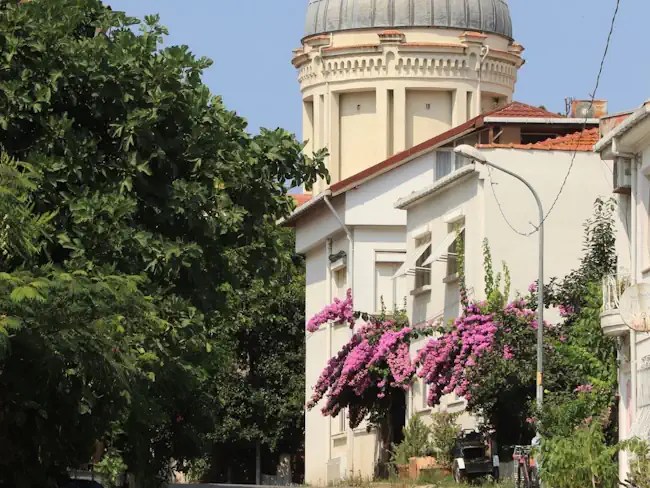
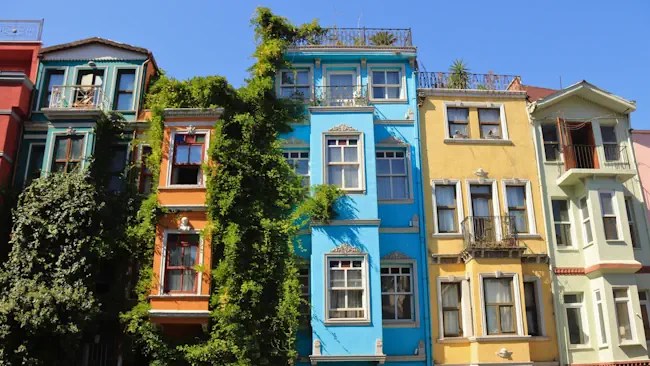
Moreover, the Istanbul Film Festival brings a sophisticated energy to the city’s historic cinemas. Spring also marks a peak time for nature lovers, as migrating birds pass over Büyükçekmece Lake and Şile on their seasonal journey.
What to Eat in spring
Spring introduces some of the most delicate and sought-after flavors to the Istanbul food scene. Artichokes (enginar) are the star of the season; look for enginar dolması, where the tender hearts are stuffed with rice and fresh herbs or a mix of peas and carrots.
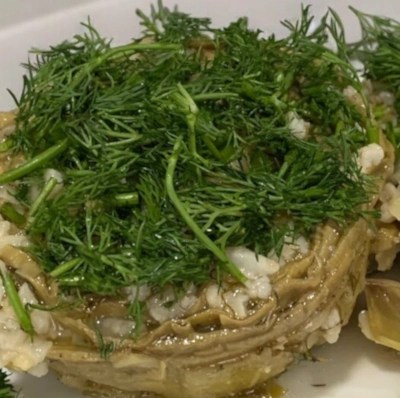

Another seasonal specialty is arapsaçı (wild fennel), often sautéed with spring onions and lemon. It is usually served warm and can be prepared either as a vegetarian dish or cooked with meat. The flavor is fresh and slightly anise-like — unusual for many visitors, but definitely worth trying.
The beloved breakfast dish menemen also becomes particularly tasty from spring onward. Seasonal tomatoes and peppers return to the markets, giving the dish a depth missing in winter.


For a truly local snack, keep an eye out for çağla (green almonds) in late March and April. They are eaten raw with a dash of salt and are a fleeting spring highlight. As summer nears, the street carts fill with strawberries (çilek) and the tart, crunch of green plums (yeşil erik).
Summer in Istanbul

Weather in Summer
Summer in Istanbul is defined by long, sun-filled days, with daylight stretching to nearly 15 hours in June and July. This gives the city a relaxed, unhurried rhythm. From June to August, daytime temperatures usually range between 27°C and 29°C, though they often climb higher during the peak of July.
The heat can feel intense, especially in the historic districts where the stone architecture holds the midday sun. However, breezes from the Bosphorus and the Sea of Marmara provide regular relief.
As the air settles to around 20–23°C in the evening, the streets and waterfronts come alive. Rain is rare, but when storms do appear, they are usually brief, heavy downpours that help break the humidity.
Best Things to Do

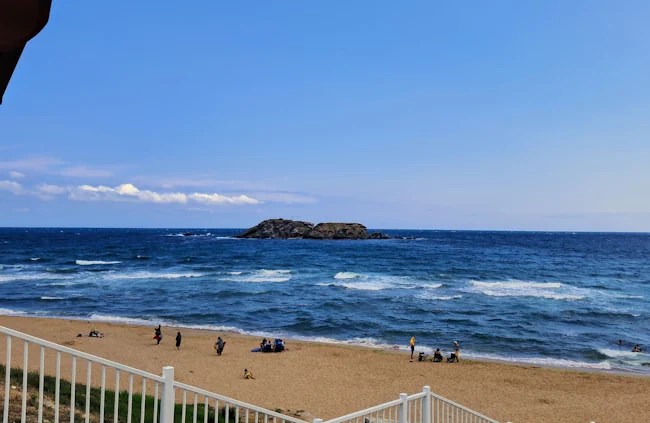
This is the season to be near the water. A Bosphorus ferry ride is the most practical way to see the skyline while catching the evening breeze. The coastal parks in neighborhoods like Kadıköy and Bebek are ideal for this; you can find a shaded spot on the grass or walk along the water to wait out the hottest part of the day.
For a full escape from the city heat, the Princes’ Islands are the classic choice for a day trip. However, the outskirts of the city also offer coastal neighborhoods and villages that feel like a world away from the center. The sandy beaches of Şile or Çatalca on the Black Sea coast provide a complete change of pace and a chance to swim in much cooler waters.


The summer calendar is also packed with outdoor events. The Istanbul Music Festival and the Istanbul Jazz Festival take over open-air theaters and parks through June and July.
For those who prefer to stay out late, several museums open after dark during the summer months, allowing you to explore the galleries when the humidity is lower. If you’re here in late June, the Istanbul Cocktail Festival is another great way to experience the rooftop scene once the sun finally goes down.


What to Eat in summer
When the humidity peaks, the culinary scene shifts toward the “cold table.” This is the best time to explore zeytinyağlı (olive oil) dishes, which are slow-cooked vegetables served at room temperature. A light lunch of taze fasulye (green beans) from a neighborhood esnaf lokantası is the most practical way to eat when it’s too hot for a heavy kebab döner.
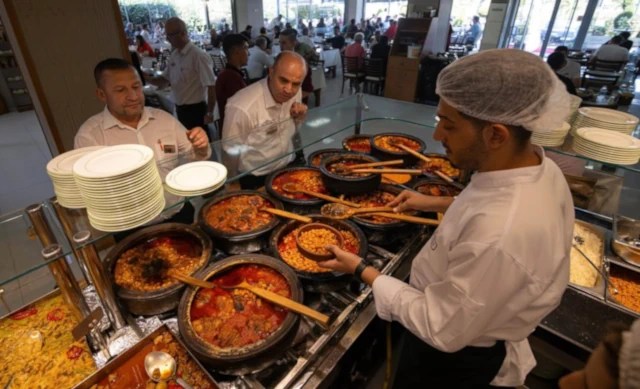

Eggplant is the undisputed star of the summer harvest. You’ll find it smoked and mashed into cold salads or served as şakşuka, where fried cubes are tossed in a garlicky tomato sauce. For a heartier meal, karnıyarık is a great choice. These “belly-split” eggplants are stuffed with a mix of minced meat, onions, and peppers.
For a more sophisticated taste of the city’s Ottoman roots, look for vişneli bamya. The tartness of the sour cherries provides a refreshing contrast to the okra, making it a perfect dish for a 30°C afternoon.


Summer is also the perfect time to enjoy chilled şerbet (sweet and spiced drink) or a glass of fresh limonata (lemonade), both of which take advantage of the season’s peak produce.
You will find the markets filled with sweet cherries (kiraz) and honey-like figs (incir) during these months. But nothing is more iconic to an Istanbul summer than a cold slice of karpuz (watermelon), often eaten as a light meal with fresh bread and white cheese.
For dessert, a scoop of stretchy maraş dondurması (Turkish ice cream) is the best way to cool down while walking through a coastal park.
Autumn in Istanbul

Weather in autumn
Autumn in Istanbul is a season of gentle transition. The summer heat fades into cooler and more comfortable days. From September to November, temperatures gradually drop. This is widely considered an ideal time to explore the city’s parks, streets, and waterfronts on foot.
September still carries hints of summer. Daytime highs range from 19°C to 26°C. The days remain warm, but the evenings offer a refreshing chill. By October, the air becomes much crisper. Temperatures stay between 15°C and 21°C. November marks the full arrival of autumn. You can expect highs of 11°C to 16°C and a noticeable chill once the sun goes down.
Rainfall increases as the season progresses. There are typically up to 14 rainy days per month. Light drizzles are common during this time, underlying the moody atmosphere of the season.
Best Things to Do


During autumn, Istanbul’s parks transform into landscapes of gold and amber, ideal for strolls beneath vibrant leaves. Yıldız Park, Gülhane Park, and Belgrad Forest showcase this seasonal beauty at its finest. They provide a stunning backdrop for photographers capturing the city in transition.
A quiet local tradition also emerges during this time. Locals explore damp glades and pine-scented trails for wild mushroom foraging. Many head into the forests with baskets in hand to find these seasonal treasures. Guided tours are available for those who want to learn this skill firsthand.
Autumn is also a lively festival season. The Istanbul Biennial transforms the city into a vast open-air gallery. It displays contemporary art in public spaces, museums, and hidden galleries.


The Istanbul Book Fair adds to the cultural atmosphere. Smaller events like the Şişli Record Festival and the Coffee Festival offer unique local experiences. Republic Day, celebrated on 29 October, brings fireworks and free concerts across the city.
Istanbul’s historic arcades and courtyards take on a magical charm in autumn, providing perfect spots to sip tea amid a backdrop steeped in history. The Hazzopulo Passage on Istiklal Avenue is one such example of the city’s hidden gems.


What to Eat in autumn
As the city cools, Istanbul’s tables fill with earthy flavors. Seasonal vegetables take the spotlight. Jerusalem artichokes (yer elması) appear in creamy soups. Leeks (pırasa) simmer with carrots in olive oil stews. Another favorite is pumpkin dessert (kabak tatlısı), slowly cooked in syrup and served with a generous topping of crushed walnuts.
This season marks the beginning of the long-awaited fish season. Bonito (palamut) and bluefish (lüfer) return to the Bosphorus and Marmara waters. They quickly find their way onto the menus of taverns and seafood restaurants across the city.


Fruit stalls overflow with treasures like pomegranate (nar), quince (ayva), wild blackberry (böğürtlen), and fresh walnut (ceviz). Quince is often transformed into quince dessert (ayva tatlısı). This classic sweet perfectly reflects the transition of the season.
Istanbul’s street food peaks during these months. The sweet aromas of kestane (roasted chestnuts) and mısır (corn) drift from vendor carts. Freshly harvested and at their best, these snacks bring warm comfort to crisp days.


Autumn drinks are equally warming. Apple tea (elma çayı), brewed from slow-roasted local apples, offers a deep flavor. Pomegranate şerbet, often infused with clove and orange peel, completes the seasonal lineup.
Winter in Istanbul

Weather in winter
Winter in Istanbul is a season of quiet beauty. Mist drifts over the Bosphorus and settles along the city’s streets. From December to February, temperatures drop significantly. Average highs stay between 9°C and 11°C. Lows often fall to 2°C or 4°C.
Rain is frequent during these months, with up to 18 rainy days per month. Fog rolling in from the Sea of Marmara often cloaks the bridges, minarets, and domes in a ghostly haze.
Snow is rare. When it does fall, it transforms Istanbul into a quiet and almost otherworldly landscape beneath a soft white blanket. The cold northern winds bring a sharp chill to the air, making it the perfect time to seek warmth in the city’s historic cafes.
Best Things to Do


Winter is the perfect time to explore Istanbul’s rich interiors. With fewer crowds, visitors can linger in museums, palaces, and sacred monuments at their own pace, fully absorbing the historic details and beauty of the city.
The colder months offer an ideal opportunity to experience a traditional Turkish bath (hamam). Soothing heat and marble steam rooms provide a welcome escape from the winter chill.
Christmas is observed quietly, mainly within the city’s historic churches and local Christian communities. Midnight Mass takes place at St. Anthony of Padua on Istiklal Avenue, along with services in other churches across the city.


New Year’s Eve brings a different energy to Istanbul. Fireworks illuminate the Bosphorus Strait, while restaurants, hotels, and bars host special dinners with live music and entertainment.
Beyoğlu and Taksim Square come alive with street performances and outdoor celebrations. For a more relaxed experience, Bosphorus cruises offer a way to welcome the new year beneath the city’s illuminated skyline.
What to Eat in Winter
In winter, Istanbul’s culinary soul turns toward earthy roots, bright citrus, and deeply comforting flavors. Markets reflect the season’s abundance: Black radish (kara turp), spinach (ıspanak), Swiss chard (pazı), and cabbage (lahana) fill the stalls. Winter’s quiet hero is celery root (kereviz). It is often paired with walnuts, parsley, and pomegranate seeds for a fresh yet hearty dish.
Fruit carts glow with oranges (portakal), tangerines (mandalina), apples (elma), pears (armut), and quinces (ayva). In bakeries, carrot-based sweets such as carrot halwa (havuç helvası) and cezerye (caramelized carrots with nuts) bring natural sweetness to the season.


Soups are a cornerstone of Turkish cuisine and shine in winter, enjoyed at any time of day, even for breakfast. Classic options include lentil soup (mercimek çorbası) and yogurt soup (yayla çorbası). More refined choices like almond soup (badem çorbası) can be found in restaurants specializing in Ottoman cuisine.
Winter is also prime time for seafood in Istanbul. From anchovy (hamsi) to bluefish (lüfer), fish markets thrive during these months and offer seafood lovers some of the freshest catches of the year.

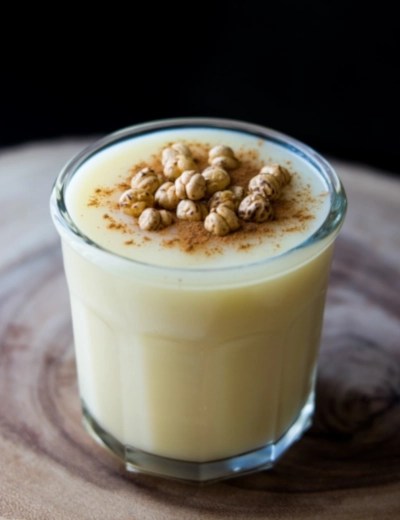
Cold weather calls for warming drinks. Boza, a thick fermented millet beverage dusted with cinnamon, has been enjoyed since Ottoman times. Sahlep is another seasonal classic. Made from orchid tubers blended with milk and cinnamon, this creamy, fragrant drink defines winter in Istanbul.

When Is the Best Time to Visit Istanbul?
The best time to visit Istanbul is in spring, early summer, and autumn. These months offer mild temperatures ideal for walking around the city and enjoying outdoor activities. Mid-summer heat can be intense, which may limit daytime sightseeing. Winter is generally rainier and more unpredictable.
If avoiding crowds is a priority, keep in mind that summer attracts the highest number of visitors. Winter is noticeably quieter. That said, there is no single “perfect” season. Istanbul offers something distinctive year-round and you are unlikely to run out of things to experience.
One factor to consider in any season is the wind. Due to the city’s location between the Bosphorus and the Sea of Marmara, Istanbul can feel cooler than the actual temperature suggests. This is especially true near the waterfront and in elevated areas like Galata Tower. It is always a good idea to carry an extra layer as the wind can strike at any time.

Leave a Reply