Just off the coast of Istanbul, where the city dissolves into pine forests and sea breeze, lies a small archipelago that has quietly resisted the city’s rush: the Princes’ Islands — or Adalar, as the locals call them.
Set in the Sea of Marmara, these islands are close enough for a day trip, yet far enough to feel like another world. No private cars are allowed, which means your journey unfolds on foot, by bicycle, or in a slow-moving, small electric cart. That quiet hum is central to the islands’ character.
Once places of exile, later retreats for Istanbul’s elite, and now a mix of holiday homes, old mansions, and timeless pine woods, the Princes’ Islands have long offered both stillness and story.

What Are the Princes’ Islands?
The archipelago consists of nine islands, five of which are residential and connected by daily ferries:
Büyükada (Prinkipo): The largest and most visited island, known for its grand 19th-century mansions, hilltop monasteries, and panoramic views.
Heybeliada (Halki): Green, quiet, and home to the Halki Seminary, a theological school with deep historical significance.
Burgazada (Antigoni): Smaller and literary, with charming backstreets and the former home of writer Sait Faik Abasıyanık.
Kınalıada (Proti): The closest to the city, with fewer trees but a bold red shoreline and a relaxed local feel.
Sedefadası (Terevintos): A small, privately developed island with restricted access. It’s not open to public exploration like the others.

The other four islands are either uninhabited or non-residential:
Yassıada (Plati): Known for the political trials following the 1960 military coup. It now hosts a museum, convention center, mosque, and restaurant complex, making it the most accessible of the non-residential islands.
Sivriada (Oxia): A steep, rocky island, historically used as a quarry and a place of exile for animals. Today it is uninhabited.
Kaşıkadası (Pita): Shaped like a spoon, this island is private property and not open to visitors.
Tavşanadası (Miyandros): The smallest of the group, known as Rabbit Island. Uninhabited, and more symbolic than practical.
There’s also a tenth name worth mentioning: Vordonos (Vordonosi) Island—a sunken island of Istanbul said to have hosted a Byzantine monastery before it disappeared beneath the waves during the great earthquake of 1010. Today, it survives in divers’ tales and historical footnotes.
Why Visit the Princes’ Islands?


The Princes’ Islands offer a rare blend of sea air, layered history, and sensory calm — a place where Istanbul breathes a little slower.
Arriving feels like stepping into another era. The moment you disembark, you’re met by the rustle of pine trees in the breeze, the cicadas singing in the midday heat, and the salty tang of the sea mingling with the smell of grilled fish from a seaside lokanta.
You walk through lanes lined with bougainvillea and jasmine, past mansions with peeling shutters and verandas that whisper stories of Ottoman summers and lost Greek holidays.
The sea glints at the end of every street. Time moves differently; not only slower but also looser.
And yet the islands aren’t just for nostalgia. They’re places to swim, walk, and wander. Each residential island has its own rhythm — from Büyükada’s wide boulevards and panoramic hilltop churches to Kınalıada’s sandy beaches and Burgazada’s harborfront cafes where locals play backgammon until dusk.

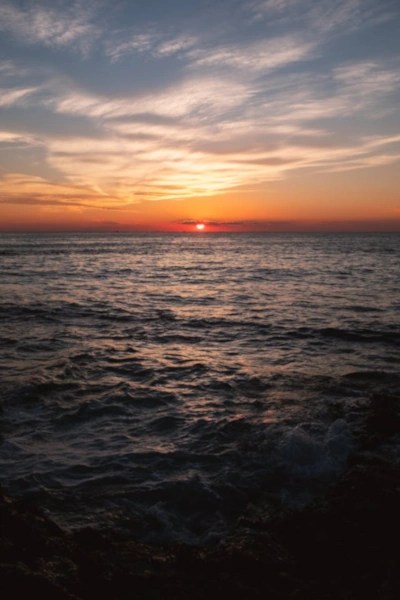

For swimmers — and for weary Istanbulites in need of a pause — the Princes’ Islands are a kind of summer salvation. Public beaches, beach clubs, and pine-sheltered coves are all within reach by foot or bike. Some visitors come just for the day; others check into small hotels or pensions, turning a simple escape into a full weekend retreat.
In high season, especially on weekends, the ferries brim with coolers and chatter, and the air grows thick with sunscreen, salt, cherry juice, and warm simit. It’s busy, yes, but never rushed. Once you’re on the island, everything stretches out.

Culturally, the Princes’ Islands are living archives of Istanbul’s complex past. For centuries, they have been home to an extraordinary mix of people: monks seeking solitude, merchants building trade networks, princes and exiles sent away from the capital, writers searching for inspiration, and revolutionaries plotting change. Each group left traces — in the buildings they erected, the communities they formed, and the stories they carried with them.
Curious visitors will find much to explore: the Halki Seminary on Heybeliada, once a major center of Orthodox Christian learning; the hilltop Aya Yorgi Church on Büyükada, reached by a dusty pilgrimage path; and the museum of writer Sait Faik Abasıyanık in Burgazada, offering a window into a more literary, introspective island life.

Across the streets and hills, Ottoman-era mansions stand — some once home to deposed sultans like Abdülhamid II, others to political exiles like Leon Trotsky, who briefly found refuge on Büyükada. Others were the homes of pashas, wealthy families, foreign diplomats, and Levantine merchants, their ornate façades, carved balconies, and serene gardens testifying to the elegance and sophistication of island life in the late Ottoman period. You can learn more about this rich past by exploring the history of the Princes’ Islands.
And around it all: cafés with chipped tables, weekend art exhibitions, makeshift stages for music festivals, old men debating politics in the shade. Life on the islands isn’t stuck in the past — it just carries it quietly. The paint may peel, but the rhythm continues.
How to Get to the Princes’ Islands?

You can reach the Princes’ Islands easily by ferry from both the European and Asian sides of Istanbul.
From the European side, ferries depart from Kabataş, Eminönü, and Beşiktaş. From the Asian side, they depart from Kadıköy, with more frequent and faster services especially from Bostancı.
Most ferries stop at Kınalıada, Burgazada, and Heybeliada before reaching Büyükada, the largest island. Depending on your starting point, the trip takes between 50 and 90 minutes.
Istanbulkart can be used on ferries, but keep in mind that trips to the Princes’ Islands are typically more expensive. Depending on the distance, fares can be double or even triple the standard fare within the city center.
Alternatively, the Istanbul Sea Taxi (operated by the municipality) offers private rides for those willing to pay more for speed and flexibility.
Ferries tend to fill up on weekends and during summer, so arriving early is recommended.
Princes’ Islands: Your Questions, Answered
Which island is best for swimming and beaches?
Büyükada and Heybeliada have the best public beaches and swimming spots. Kınalıada’s rocky shores are perfect for a sun-soaked dip. Burgazada is quieter and less known for swimming, but offers peaceful seaside walks.
Are there cars on the islands? How do people get around?
No cars — and that’s part of the island’s magic. Instead, people walk, cycle, or ride in electric carts and quiet public buses.
Can I explore the Princes’ Islands in just one day?
As easy as it may sound, traveling between islands requires planning — especially to align your day with ferry timetables. You can still see more than one island in a day, but it means managing the schedule carefully. If you want maximum flexibility, calling a sea taxi is a good option.
How busy do the islands get on weekends and during summer?
The islands swell with visitors on weekends and in summer, especially Büyükada. If peace is what you seek, weekdays or shoulder seasons are your best bet.
Can I bring a bike or rent one on the islands?
Cycling along the island streets sounds so good — and so intelligent. Cycling down the hills, feeling the warmth of the sun on your face and the wind in your hair — amazing. But remember: cycling uphill is very different. The islands are quite hilly, and your visit can be significantly reduced by the weight of a bike.
What are the best restaurants or local specialties to try?
Seafood dominates — fresh fish grilled or fried, mezes, and fried calamari are staples. Don’t miss “pişi,” a fluffy fried dough often paired with tea. Waterfront restaurants offer a feast for the senses and the eyes.
Are the islands family-friendly?
With no cars and plenty of open space, the islands are a safe and welcoming playground for families. Beaches, parks, and slow streets make them ideal for children.
What if I miss the last ferry from the Princes’ Islands?
Ferries run regularly from morning until late evening, but the last one can vary by season and line—so don’t just assume, check the timetable when you arrive.
Missed it? Don’t panic — the islands are lovely to stay overnight. You’ll wake up refreshed on the island and catch an early ferry back. But if you are in a hurry, consider booking an IBB Sea Taxi, which acts like a private boat and can pick you up on demand.
Leave a Reply