
Ramadan in Istanbul is a city moving in two rhythms at once. By day, the streets hum with a familiar energy, yet there’s a subtle calm that makes sightseeing surprisingly peaceful. As the sun dips toward the Marmara Sea, the atmosphere shifts. The city pauses at the call to prayer, uniting in a shared moment of reflection and togetherness.
For travelers, this holy month offers a unique lens on the city. You can explore the iconic food scene and landmarks as usual, while gaining rare insight into local traditions.
This guide is your map to navigating those daily rhythms and making the most of Istanbul during this sacred time.
What is Ramadan and the Key Meals

Ramadan is one of the Five Pillars of Islam and the holiest month in the Islamic calendar. Fasting, reflection, and communal activities lie at the heart of the month, centered around two key meals:
- Sahur is the pre-dawn meal eaten before the fast begins. In many neighborhoods, the tradition of the Ramazan davulcusu (Ramadan drummers) lives on. Their rhythmic drumming ensures the city wakes in time to eat before the first light.
- Iftar is the fast-breaking meal at sunset, rarely enjoyed alone. Families and friends gather at home, in restaurants, or at public iftar tents to share food.
For travelers, these moments offer a unique view of the city’s rhythm in Ramadan: the quiet stillness of dawn followed by the collective energy of breaking the fast together.
How Ramadan Affects Daily Life in Istanbul

By day, Istanbul functions mostly as usual. Traffic flows, offices are busy, and shops stay open. While restaurants and cafés are often quieter, they stay ready for business. In more traditional neighborhoods, you might notice a few local eateries closing their doors until sunset, but in tourist hubs, the rhythm stays steady.
As sunset approaches, the energy shifts. The scent of fresh Ramazan Pidesi (a traditional soft flatbread) begins to drift from local bakeries, and grocery stores fill with shoppers picking up last-minute essentials for the table. Public spaces gradually come alive as people stake out their spots for the evening meal.
The fast ends with the evening call to prayer. After Iftar, many attend the mosques for Tarawih (special night prayers held only during Ramadan). The streets and squares truly wake up at this hour, filled with people moving between their homes, mosques, and evening tea houses.
What Tourists Need to Know

Visiting Istanbul during Ramadan is straightforward, and the city remains fully welcoming to travelers. Daily life continues as usual: sightseeing, hotels, and public transportation are generally unaffected. While many residents fast, others do not, and the city’s diverse character means you will never feel out of place.
Most restaurants and cafés in tourist areas stay open all day, and street vendors continue to serve Istanbul’s famous street food. While alcohol is available in many establishments, some local or traditional spots may choose not to serve it during this month.
A few tips to navigate the city smoothly:
- Timing & The ‘Iftar Rush’: While daytime streets are quieter for sightseeing, the hour before sunset is the busiest time for traffic and public transport. Try to be at your dinner destination at least 45 minutes before the call to prayer.
- Etiquette: Eating or drinking in public is generally fine in central areas. A simple greeting like “İyi Ramazanlar” (Have a good Ramadan) is a great way to show respect for local customs.
- Mosque Visits: Avoid entering mosques during prayer times, especially after iftar during the Tarawih prayers. The courtyards, however, remain excellent places to observe the evening’s festive atmosphere.
By planning around these rhythms, you can enjoy Istanbul’s top landmarks, neighborhoods, and traditions without disruption. You can even participate in the cultural experiences Ramadan offers.
Traditional Ramadan Foods and Specialties

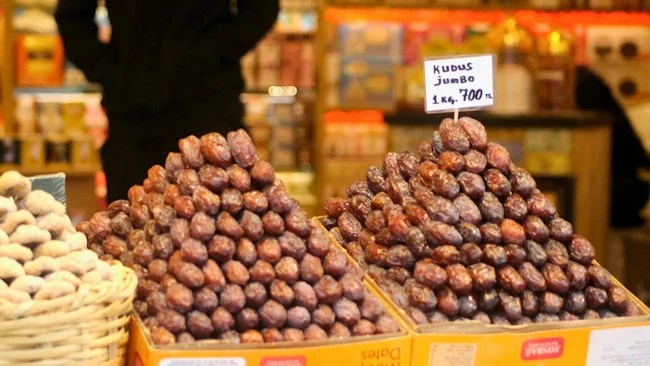
During Ramadan, certain foods hold special meaning in Turkish culture and are widely enjoyed across Istanbul:
- Ramazan Pidesi: Freshly baked just before sunset, this soft flatbread is the ultimate symbol of the month. You’ll see long queues forming outside bakeries (fırın) as people wait to take a warm loaf home for Iftar.
- Dates (Hurma): Following the tradition of the Prophet, dates are almost always the first thing eaten to break the fast. You will find dozens of varieties in markets like the Spice Bazaar.
- Iftar Soups: A light soup is the standard first course. It’s practical and easy on the stomach after a long day of fasting.
- Güllaç: Known as the “queen” of Ramadan desserts, it is only widely available during the holy month. It is made of thin layers of cornstarch, sweetened milk, and rosewater, resulting in a light and floral treat.
- Syrup-Soaked Sweets: Beyond güllaç, bakeries overflow with traditional treats like lokma (fried dough balls), şambali (semolina cake), and ekmek kadayıfı (a dense bread dessert). Since these are all soaked in sweet syrup, they are often served with a dollop of clotted cream (kaymak) to balance the sweetness.
The Dining Experience

Many restaurants offer special Iftar menus for a complete dining experience. These multi-course meals typically include soup, a main dish with sides, salad, and a dessert. The feast almost always concludes with a glass of strong Turkish tea.
On pleasant evenings, the city’s green spaces and squares near grand mosques transform into picnic grounds. Locals gather with family and friends to break the fast surrounded by Istanbul’s stunning architecture. Whether you are sitting on the grass in Sultanahmet or near the Süleymaniye Mosque, the backdrop of domes and minarets adds a special atmosphere to the meal.
You will also see public iftar tents set up by the municipality. These are a typical sight during Ramadan, offering simple, nourishing meals designed to bring the community together.
Top Neighborhoods to Experience Ramadan

Several neighborhoods of Istanbul become the true focal points of the month. Known for their historic mosques and türbes (tombs of revered figures), these areas host the city’s largest communal gatherings and cultural festivities.
During Ramadan evenings, you’ll find Islamic art stalls, calligraphy workshops, and traditional Hacivat and Karagöz shadow plays. This festive atmosphere is best experienced in these four neighborhoods:
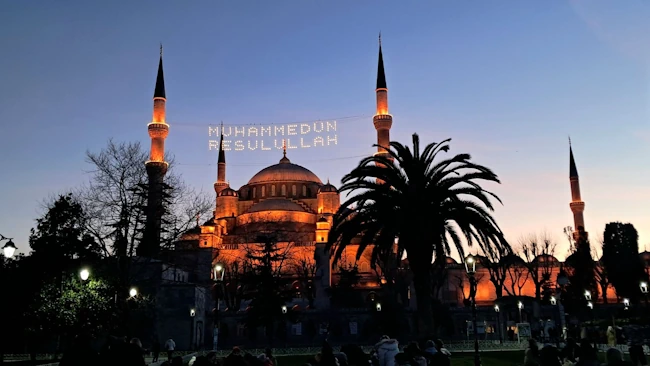
- Sultanahmet –This is the ceremonial heart of the city. Set between the Blue Mosque and Hagia Sophia, the first iftar of the month is traditionally announced here with cannon fire. The combination of the crowds and historic architecture creates an unforgettable atmosphere.
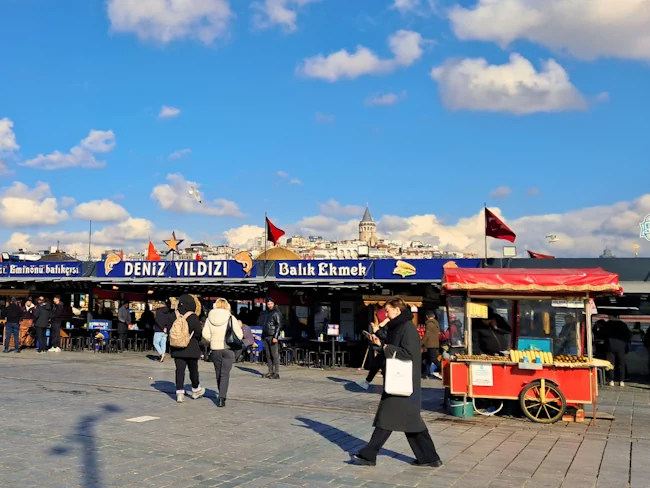
- Eminönü: This market hub is at its peak just before sunset. It’s the best place to see locals gathering fresh ingredients for their final iftar preparations.
- Eyüpsultan: For a more spiritual experience, head here. It is famous for its sacred türbes and attracts those coming for deep reflection and evening prayer.
- Üsküdar: The area around Üsküdar Square, with its grand mosques and scenic waterfront, promises atmospheric settings for iftar.
Why Visiting Istanbul During Ramadan is Special
Visiting Istanbul during Ramadan offers a deeper understanding of the city beyond its landmarks. While daily life remains steady, the atmosphere gradually shifts from the quiet focus of the day to the vibrant energy of the night.
As sunset approaches, neighborhoods fill with anticipation. Families gather, friends meet for iftar, and public spaces transform into places of connection rather than just transit.
For visitors, the month truly comes alive in the small details: the scent of fresh Ramazan pidesi, the echo of the evening call to prayer, and the warm murmur of conversation around shared tables.
For those seeking genuine cultural insight, Ramadan reveals a side of Istanbul shaped by deep-rooted tradition and community rather than just tourism and spectacle.

Leave a Reply