Crime in Istanbul is real, but like many major tourist cities, it remains manageable and is not evenly distributed across districts. Even within these districts, safety can vary dramatically from street to street.
That’s why crime statistics alone don’t tell the full story: a high-crime district doesn’t mean every street is unsafe, and a low-crime district may still have spots worth avoiding.
This article answers the question ‘Is Istanbul safe?’ by exploring the city’s most dangerous districts and the areas tourists should avoid.
Istanbul’s Most Dangerous Districts

Recent data from 2024 highlights major differences in crime rates between Istanbul’s districts. Esenyurt tops the list, followed by Fatih, Küçükçekmece, and Pendik. Other areas with high crime include Kadıköy, Ümraniye, Gaziosmanpaşa, Bağcılar, Şişli, and Beyoğlu.
A closer look at the map reveals two distinct patterns. Outer districts such as Esenyurt, Küçükçekmece, Pendik, Ümraniye, Gaziosmanpaşa, and Bağcılar consistently rank among the highest in Istanbul for crime.
Local disputes, property crimes, and community-level conflicts are the most common types of crime in these Istanbul districts. These patterns are largely driven by population size, dense housing, rapid migration, and socio-economic pressures. Being mainly residential with limited tourist appeal, travelers are unlikely to encounter these districts directly.
Central, tourist-heavy hubs like Fatih, Beyoğlu, Şişli, and Kadıköy exhibit a distinct crime pattern. In these areas, incidents often involve petty theft, scams, and other opportunistic crimes targeting tourists. Understanding these risks is essential for ensuring tourist safety in Istanbul.
Where Crime Really Matters for Tourists in Istanbul
Istanbul’s high-crime districts are not uniformly dangerous. These districts also contain safe streets, popular tourist areas, and residential neighborhoods where daily life continues without incident. Crime is often localized, varying from one street to another.
For instance, Beyoğlu encompasses both Istiklal Street and the nearby Tarlabaşı. Istiklal Street is a lively, well-policed avenue popular with tourists, while Tarlabaşı has higher rates of opportunistic crime and a rougher reputation.
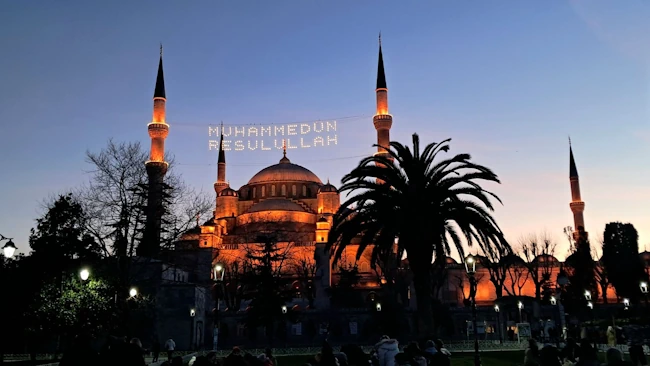
Similarly, in Fatih, the historic Sultanahmet area – home to landmarks such as Hagia Sophia and the Blue Mosque – sees very few incidents affecting visitors. Other neighborhoods in the district, such as Aksaray and Cerrahpaşa, experience more frequent local disputes and petty theft.
This variation in safety within districts highlights the importance of looking beyond statistics and understanding conditions at the neighborhood level.
Most Dangerous Istanbul Neighborhoods
Some of Istanbul’s neighborhoods stand out for higher crime levels and have reputations that every visitor should know before arriving. Here’s a closer look at the city’s most dangerous neighborhoods, where vigilance matters most.

Hacıhüsrev
Hacıhüsrev, though central within Beyoğlu, is one of Istanbul’s archetypal gecekondu (shantytown) neighborhoods. Traditionally home to a large Roma community and working-class families, it carries a long-standing reputation for poverty, informal housing, and street-level crime. Urban transformation projects are reshaping the area, but much of its old character remains. Reports of drug use, gang presence, and occasional violence persist, so Hacıhüsrev is best avoided after dark.
Tarlabaşı
A stone’s throw from Taksim Square and Istiklal Avenue, Tarlabaşı’s 19th-century architecture and multicultural past give it undeniable historic allure. By day, its streets reveal a vivid mix of cultures, old charm, and urban contrasts that reward curious visitors. Yet beneath this charm lies a complex reality: pockets of gentrification coexist with entrenched social problems. After dark, the area becomes one of the more unsafe areas of Istanbul. Drug activity, prostitution, and opportunistic crime increase, making wandering here inadvisable.
Dolapdere
Dolapdere is a neighborhood in flux, where gleaming new hotels, art galleries, and developments rise alongside older, worn streets. Yet despite this transformation, it remains one of Beyoğlu’s poorest quarters. Reports of drug use, violence, and petty crime persist. Daytime visits can feel safe, but after dark the atmosphere changes. Visitors unfamiliar with Dolapdere should be cautious at night.
Kasımpaşa
Descending from Beyoğlu’s ridge toward the Golden Horn, Kasımpaşa boasts dense populations and a strong working-class identity rooted in Ottoman naval history. It stands apart from nearby tourist hubs, with a character all its own. Hotels and nightlife are scarce, and daily life here revolves around local markets, small shops, and narrow residential streets. After dark some streets can feel deserted. Petty theft and occasional street disputes still happen, so visitors should stay alert.
Kuştepe
Kuştepe sits in Şişli near Mecidiyeköy. This densely packed, working-class neighborhood is known for its gritty spirit and unsettled atmosphere. Open drug use and occasional gang-related disturbances contribute to its reputation. By day, movement through the neighborhood is generally safe, but visitors unfamiliar with the area should avoid certain backstreets where opportunistic crime is more likely.
Aksaray
Aksaray, located in Fatih between Laleli and the Fatih Mosque, serves as a busy transport and commercial center. Its busy streets host minibuses, shops, cafes, and budget hotels, drawing a constant flow of locals and visitors. Crowds and transient populations make it a hotspot for petty theft and pickpocketing, especially in busy passages. After dark, side streets can also attract bag-snatching and other opportunistic crime.
Kocamustafapaşa
Kocamustafapaşa lies just south of Aksaray, near Cerrahpaşa. It is a modest, largely residential neighborhood with narrow streets and small local shops. Rich in local character rather than landmarks, it offers a glimpse of everyday Istanbul life away from major tourist routes. While calmer than nearby hubs, some backstreets still see drug use, theft, and occasional fights. The risks are not constant but present enough to warrant caution, especially at night.
Karagümrük
Karagümrük is located in northwest Fatih, bordering the Eyüpsultan district to the north. A historically working-class, tightly knit neighborhood, it is mostly residential and lacks tourist attractions. For a long time, it has carried a reputation for being rougher than surrounding areas. Petty theft, bag-snatching, and occasional street disputes still happen. Daytime passage is generally safe, but deserted backstreets at night can feel unsafe.
Emergency Numbers in Istanbul for Tourists
While this guide covers Istanbul’s more hazardous neighborhoods, risks can occur anywhere. Tourists should follow basic Istanbul safety tips and choose their base outside the crime pockets, avoiding risky areas at night. Major tourist areas are also monitored by tourism police with easily recognizable orange patrol cars.
Keep the following numbers handy for emergencies or immediate assistance while traveling in Istanbul:
- 112 – Emergency services (ambulance, fire, police)
- 176 – Tourism information and assistance for travelers
- 153 – Municipal assistance (for reporting local issues or accessing non-urgent city services)

Leave a Reply