


Planning museum visits in Istanbul isn’t always simple, as the city’s vast architectural heritage is managed by several different authorities. Navigating the ticketing rules for the major sights in Istanbul requires a bit of 2026 insider knowledge to avoid long queues and unnecessary costs.
This guide provides a comprehensive roadmap to the current ticketing landscape, offering a clear strategy for every pass and entrance fee you’ll encounter. You’ll learn:
- Which museums are included in the MuseumPass Istanbul
- How the National Palaces ticket system works
- Which major sites require separate tickets
- Which sights and museums in Istanbul are free to visit
- How private combo passes and discounts work
MuseumPass Istanbul

The primary option for cultural travelers is the MuseumPass Istanbul. Issued by the Ministry of Culture and Tourism, this official pass grants foreign visitors one-time entry to 13 major state-run museums and archaeological sites, primarily in the Sultanahmet and Galata neighborhoods.
Key Details for 2026
- Price: €105
- Validity: 5 consecutive days starting from your first museum scan.
Where to Buy the MuseumPass Istanbul
- At participating museum ticket counters
- Online as a digital e-card via the official Ministry website
- Through the official MuseumPass mobile app, available for iOS and Android.
- At the dedicated MuseumPass ticket counter in Sultanahmet, close to Hagia Sophia
What’s Included?
As of 2026, the MuseumPass Istanbul covers the following museums:

A Note on MuseumPass Türkiye
If your itinerary extends beyond the city to sites like Ephesus, Cappadocia, or Antalya, the MuseumPass Türkiye is often a more cost-effective choice. It operates under the same ‘one-time entry’ rules but grants access to over 350 state-run museums and archaeological sites across the entire country, including everything covered by the Istanbul pass.
Key Details for 2026
- Price: €165
- Validity: 15 consecutive days from the first use.
- Best For: Travelers spending more than a week in Turkey and visiting different regions.
Istanbul National Palaces

Istanbul’s grand palaces and historic pavilions – including Dolmabahçe Palace, Beylerbeyi Palace, and the Yıldız Palace – are managed by the Presidency of National Palaces (Milli Saraylar İdaresi).
These sites are not included in the MuseumPass Istanbul or MuseumPass Türkiye, and each requires a separate ticket or a dedicated palace pass.
Where to Buy the tickets
- At palace kiosks at each site
- Online via the official Milli Saraylar website
- Full Pass Option: The National Palaces Full Pass (Milli Saraylar Kombine Bilet) grants access to all participating palaces and pavilions for a fixed price
What’s Included?
As of 2026, the National Palaces (Milli Saraylar) system includes the following palaces and pavilions in Istanbul:

A Note on Topkapı Palace
Topkapı Palace holds a unique position. While its administration was transferred to the Presidency of National Palaces in 2019, it maintains a special integration with the Ministry’s system.
As a result, visitors can access Topkapı Palace using both the MuseumPass Istanbul and the National Palaces Full Pass. Depending on your itinerary, you can choose the pass that best fits your broader sightseeing plans.
Museums That Require Separate Tickets


Although most major museums and palaces in Istanbul are included in the MuseumPass Istanbul or the National Palaces Full Pass (Milli Saraylar Kombine Bilet), several important sites follow separate entry policies. You will need to budget for separate individual tickets for the following:
- Hagia Sophia Grand Mosque
Once a museum, Hagia Sophia is now a functioning mosque. Entry is free for worshippers, but tourists need a separate paid ticket to access the upper gallery.
- Chora (Kariye) Mosque
Chora Mosque, famous for its exquisite Byzantine mosaics and frescoes, operates similarly to Hagia Sophia. Entry is free for Muslim worshippers, but tourists must purchase a separate ticket.
- Basilica Cistern and Şerefiye Cistern
These historic underground sites, managed by the Istanbul Metropolitan Municipality, also require separate tickets.
Where to Buy the tickets
- For the Basilica Cistern and Hagia Sophia, I strongly recommend purchasing tickets online in advance. These are the two sites where queues are most likely to exceed 30 minutes during peak hours.
- For Chora and Şerefiye, buying on-site is usually efficient and straightforward.
- Keep an eye out for municipal combo tickets that sometimes link the various cisterns and smaller city-run museums for a slight discount.
Night Museums in Istanbul

From June to October, several of Istanbul’s museums participate in the “Night Museology“ initiative. This allows visitors to explore the city’s cultural treasures later in the evening, providing a unique way to experience history while avoiding the peak summer heat and daytime crowds.
In addition to these summer-specific openings, several major state museums and private institutions extend their hours year-round. These evening visits offer a completely different perspective, with dramatic lighting that highlights architectural details often missed during the day.
You can find the full list of participating venues and year-round late openings in our overview of Istanbul Night Museums.
Private Museums in Istanbul
Beyond the state-run palaces and archaeological sites, Istanbul is home to a world-class collection of private and foundation-run museums. These institutions are not included in the official MuseumPass or National Palaces Pass, and each requires its own individual ticket.
Top Private Institutions:
- Istanbul Modern: Turkey’s premier contemporary art museum, located in a stunning new building in Karaköy with incredible views of the Bosphorus.
- Pera Museum: Famous for hosting the iconic “The Tortoise Trainer” painting and a significant collection of Orientalist art.
- Sakıp Sabancı Museum: Located in the beautiful Emirgan neighborhood, it is renowned for its Ottoman calligraphy and high-profile international exhibitions.
- Rahmi M. Koç Museum: A fascinating industrial history museum situated on the Golden Horn; it is a top choice for families and those interested in vintage cars and aviation.
- Miniatürk: An open-air park featuring detailed, scaled models of Turkey’s most famous landmarks—perfect for a quick “tour” of the entire country.
Private museums often host exclusive temporary exhibitions and cultural events. Tickets are easily available at the entrance, but checking their official websites in advance is recommended to see what special exhibitions are currently on display.
Free religious Sites & Museums in Istanbul
Istanbul is full of cultural treasures that can be visited without an admission fee, including religious sites, thematic museums, and cultural spaces.
Visiting Istanbul’s Religious Sites
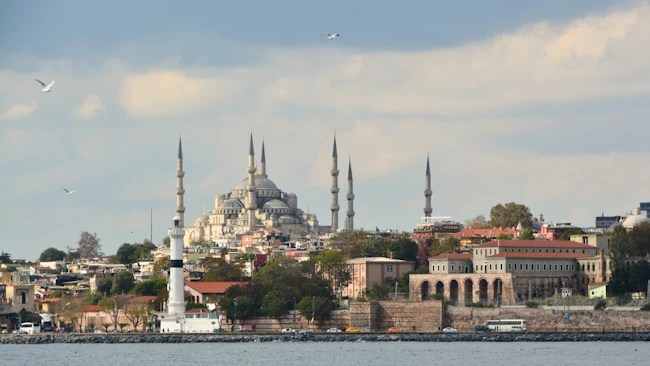
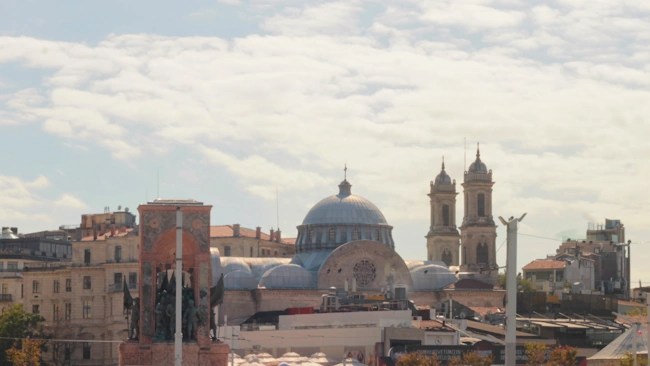
Istanbul is home to some of the world’s most iconic religious buildings, including grand mosques, historic churches, and centuries-old synagogues. These sites are usually free to enter, but visitors should follow certain rules to show respect and ensure a smooth visit.
- Mosques and Türbes
When visiting Istanbul’s historic mosques and their türbes (mausoleums honoring sultans or historical figures), it’s important to respect local customs.
Friday prayers are usually very crowded, so plan your visit for another time. Dress modestly — women should wear a headscarf, and everyone should keep shoulders and knees covered.
If you don’t have suitable clothing, most sites provide wraps for visitors. Inside türbes be mindful, as these are sacred spaces where locals come to pray.
- Synagogues
Walk-in visits are generally not allowed. Visitors must contact the synagogue in advance to request permission. Some synagogues may also require an appointment or guided tour for non-worshippers.
- Churches
Modest attire is generally expected, but enforcement differs from church to church. While some are lenient, others uphold rules as strictly as mosques. Likewise, some churches close to visitors during prayers or masses, whereas others remain open.
Free Museums & Cultural Spaces

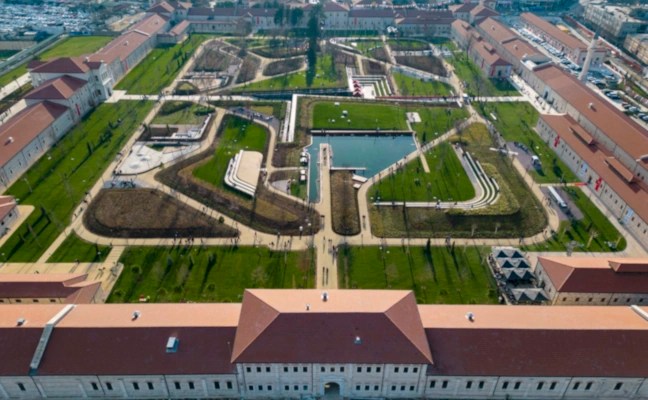
Beyond Istanbul’s iconic religious sites, you’ll find numerous smaller museums and cultural spaces open to the public for free. These venues are often community-focused, highlighting local history, art, and literature or niche collections.
Spaces that present Istanbul’s culture for free beyond the main tourist paths include:
- Municipal art galleries in neighborhoods like Beşiktaş, Kadıköy, and Üsküdar, which often host rotating exhibitions of local artists
- Specialist museums that focus on traditional crafts, local history, or literature
- Restored historic buildings functioning as semi-museums while serving regular public functions, such as libraries, cafes, or cultural centers
International Museum Day in Istanbul
Every year, Istanbul celebrates Museum Week centered around International Museum Day on May 18. This is a prime time for travelers to be in the city:
- What to Expect: Many museums that normally charge a fee offer free or discounted entry during this week.
- Special Events: Look out for extended opening hours, unique workshops, and one-off cultural programs.
- Participation varies each year, so it is worth checking the social media channels of major institutions like the Istanbul Archaeological Museums or Pera Museum during the third week of May for their specific schedules.
Private Passes & Combo Tickets: Are They Worth It?

In addition to official passes, several private companies and tour operators offer all-in-one city passes and guided museum packages. These often bundle entry to “top landmarks” with extras like Bosphorus cruises, airport transfers, or hop-on-hop-off bus tours.
While these packages seem convenient at first glance, they require a bit of scrutiny before you hit “buy.”
The Trade-Offs:
- The Cost of Convenience: Many private passes come with a significant markup compared to buying official passes or individual tickets. You are essentially paying a premium for the “pre-packaged” nature of the trip.
- The Guide Experience: While many guides are passionate professionals, the “mass-market” nature of some private passes can lead to disengaged tours.
- Rigid Schedules: These passes often have strict time limits or specific tour departure times, which can feel restrictive if you prefer to linger at a specific palace or museum.
When is a Private Pass Worth It?
- If you prefer pre-planned tours with transport included.
- If you don’t mind paying more for convenience and structure.
- If you are visiting during peak season and want to save time at crowded sites.
Official museum passes and individual tickets are usually the most flexible and cost-effective option for most travelers.
Discounts & Free Entry for Special Groups
Some visitors can enjoy reduced or free entry at Istanbul’s museums, though policies differ between institutions. Children under six usually enter for free, and students may receive discounts at the National Palaces or certain private museums with a valid student card. Turkish citizens often pay lower rates than foreign tourists, but each museum has its own rules.
Unlike many European museums, discounts in Istanbul are the exception rather than the rule, so they are not always applied automatically. It’s a good idea to ask at the entrance, and consider any discount you manage to secure as a lucky bonus for your travel budget!

Leave a Reply