Need a breather from Istanbul’s non-stop energy? You don’t need to head to the airport to reset. Just a short drive or scenic ferry ride away lies a completely different side of Turkey with misty forests and ancient Ottoman villages.
Here are 5 distinct cities near Istanbul perfect for a day trip or weekend escape. Read on for exact transport options, driving times, and regional culinary specialties for each destination.
Sakarya: Sapanca Lake & Mountain Camping
- Distance & Time: ~140 km from central Istanbul (around 2-hour drive)
- Best For: Primitive camping, lakeside cycling, and fresh seafood
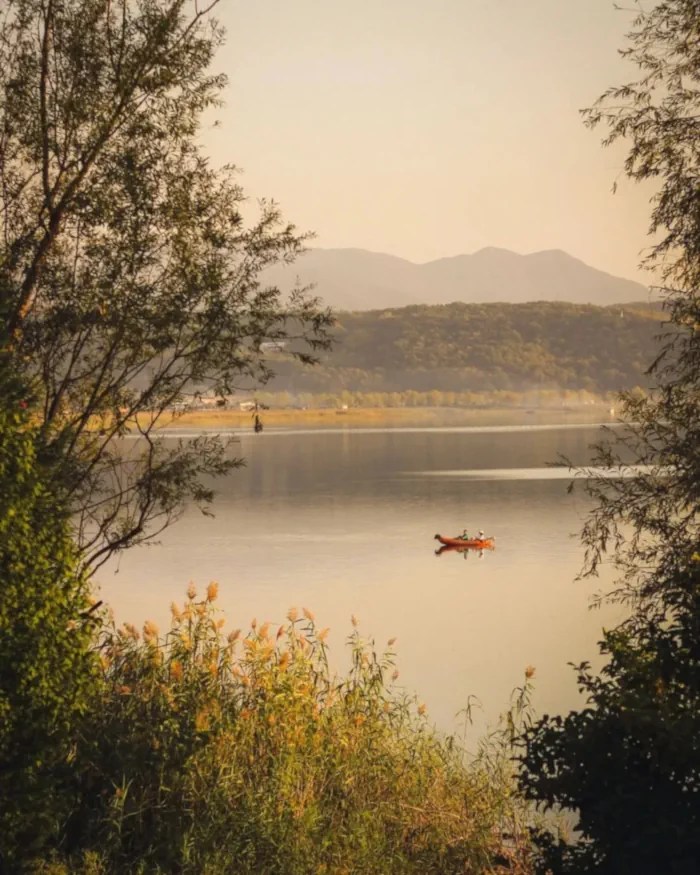
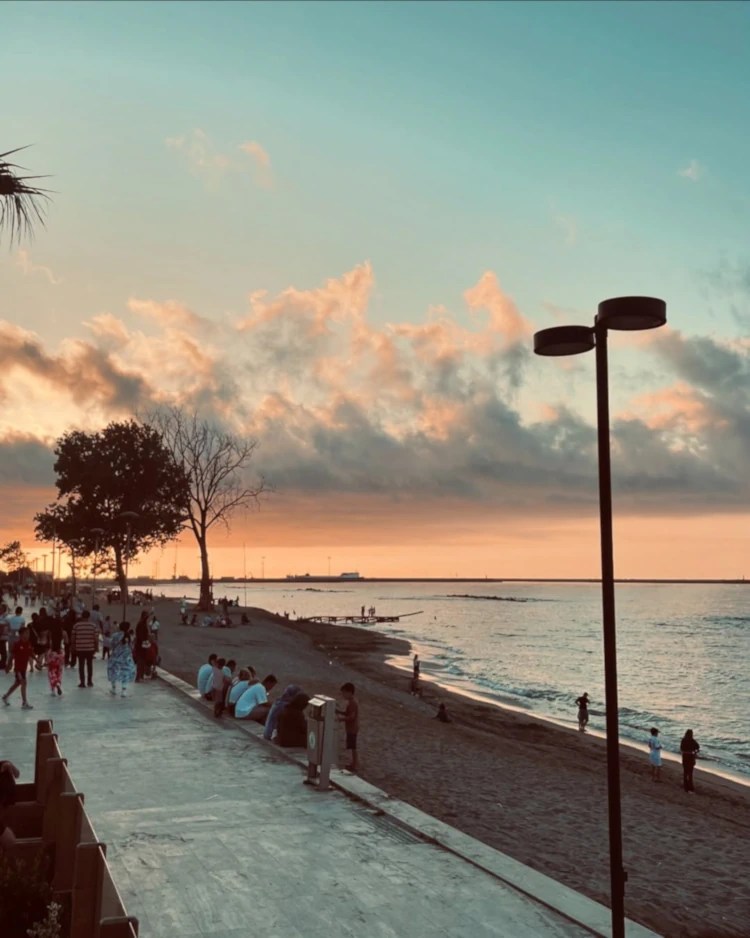
The natural landscape of Sakarya changes dramatically depending on which direction you head from the city center. Just a few kilometers to the south, Sapanca Lake stretches out as a vast freshwater basin at the foot of the Samanlı Mountains. Walking and cycling paths line the lakeside, while quiet cafés overlook the water.
Moving inland toward the mountainous northeast, the terrain rises into the Highlands of Hendek. Here, the coastal humidity fades into a crisp mountain climate, and dense forests open into high-altitude meadows ideal for camping and trekking.
To the north, the province meets the Black Sea through Karasu. This district is defined by its long coastline, wide sea views, and a relaxed summer atmosphere known for fresh local seafood.


What to eat?
Islama Köfte: Savory, grilled meatballs resting on slices of bread that have been dipped in a rich, red-pepper infused beef stock and toasted on the grill. The bread absorbs the broth, creating a soft, melt-in-your-mouth base.
Sakarya Döneri: A local pride, this is 100% real yaprak (sheet) beef with no ground meat filler. It is slow-roasted to preserve the natural juices and traditionally served with grilled tomatoes, charred peppers, and a side of thick esnaf-style yogurt.
Adapazarı Kabak Tatlısı: Sakarya is famous for its white chestnut pumpkins. This local version is slow-cooked with sugar until translucent, creating a dense, melt-in-your-mouth texture. It is traditionally served cold, covered heavily in tahini and crushed walnuts.
How to get to Sakarya?
By Car: It’s a direct 1.5 to 2-hour drive eastward from Istanbul via the O-4 Highway. This route offers flexibility for reaching the Hendek highlands or Karasu on the Black Sea coast.
By Train: You have two distinct rail options depending on your destination in Sakarya:
- The Regional Route: Marmaray to Gebze, then transferring to the Adapazarı Express.
- The Fast Route: Taking the YHT (High-Speed Train) directly from major central hubs like Söğütlüçeşme, Bostancı, or Pendik, which stops right at Arifiye or Sapanca.
By Bus: Direct intercity coaches depart roughly every 30 minutes from Istanbul’s bus terminals. They reach the central Sakarya Otogar in about 2 hours. From the station, local transit options connect you to the city center or the coast.
Yalova: Historic Thermal Springs & Coastlines
- Distance & Time: ~100 km from central Istanbul via highway, or a 45–75 minute direct ferry ride
- Best For: Thermal baths, botanical walks, and nostalgic coastal beach towns
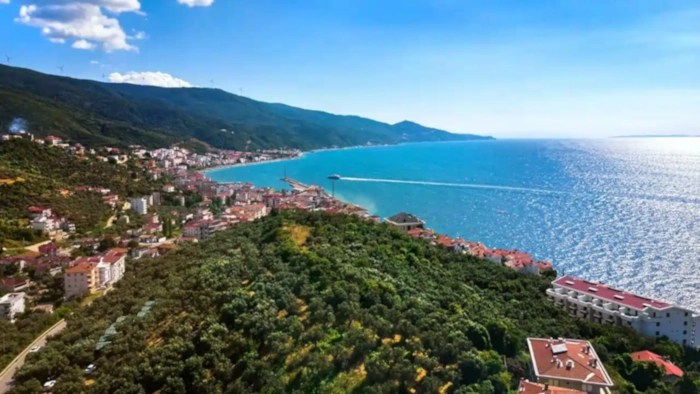
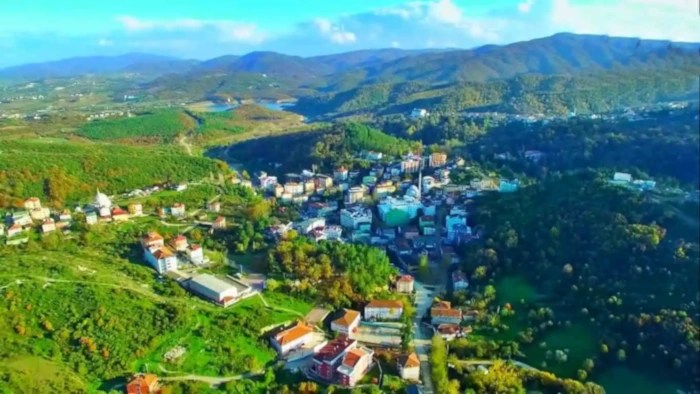
Termal District: Nestled in the forested hills southwest of the ferry port, this area is home to historic bath complexes. The baths draw water from natural hot springs that have been used for centuries.
Çınarcık: Further west along the coastline from the thermal valleys lies Çınarcık, a classic Marmara summer resort. It is known for its active public beaches and seasonal seaside infrastructure.
Erikli Waterfall & Karaca Arboretum: Moving into the inland greenery south of the coast, you’ll find the Karaca Arboretum. Nearby, the rugged trails around Erikli Waterfall cater to hikers looking for unpaved forest terrain.
What to eat?
Böğür (Kaburga Dolması): A feast-style local specialty where a whole lamb rib is stuffed with a fragrant, aromatic herbed rice pilaf and slow-roasted for hours until perfectly tender.
Yalova Sütlüsü: The city’s first officially registered dessert. It is a incredibly light, low-sugar alternative to baklava, made with milky, delicate yufka sheets flavored with subtle hints of vanilla and coconut.
Chestnut Honey: Collected from the forested hillsides near the Termal district. Unlike flower honey, this regional delicacy has a distinct, dark color and a complex, pleasantly sharp bitterness that makes it a highly prized regional souvenir.
How to get to Yalova?
By Ferry: Passenger and car ferries (İDO) depart regularly from Yenikapı and Pendik directly to the main Yalova port, with the crossing taking roughly 45 to 75 minutes. If your destination is the coastal resort town of Çınarcık, look for direct seasonal passenger sea buses from Bostancı and Yenikapı to bypass the central port traffic entirely.
By Car: A 1.5 to 2-hour drive via the O-5 highway, crossing the Osmangazi Bridge. This gives you the best mobility to head straight into the south-interior hills toward the Termal district or further up to the rugged forest trails around Erikli Waterfall.
Bursa: Ottoman History & UNESCO Villages
- Distance & Time: ~155 km south of Istanbul (Roughly 2 to 2.5 hours away)
- Best For: Living imperial history, historic food culture, alpine forests, and ancient lakeside villages
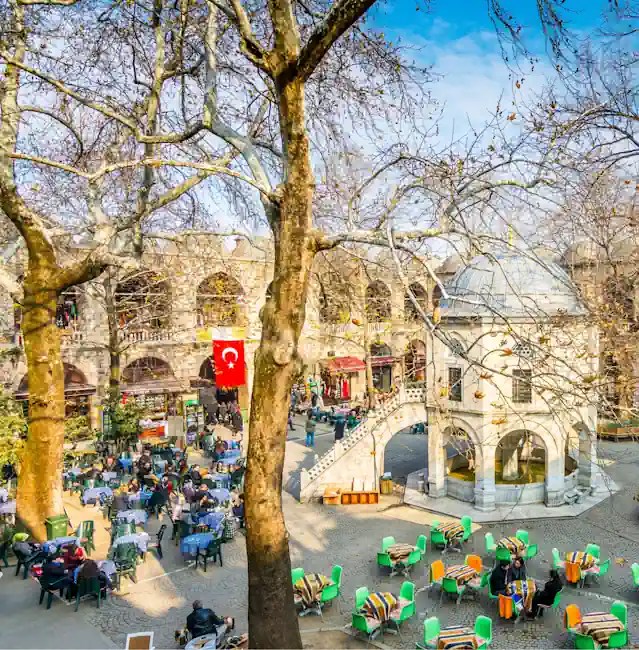

South of Istanbul, Bursa functions as an expansive transition from deep imperial history to high-altitude landscapes.
Historic Center & Bazaar: The city’s core preserves its foundational Ottoman identity within a high-density, modern commercial district. Here, the cavernous, twenty-domed Grand Mosque (Ulu Camii) anchors a network of historic stone trading halls. Among the most notable is Koza Han, where silk merchants have operated since the late 15th century.
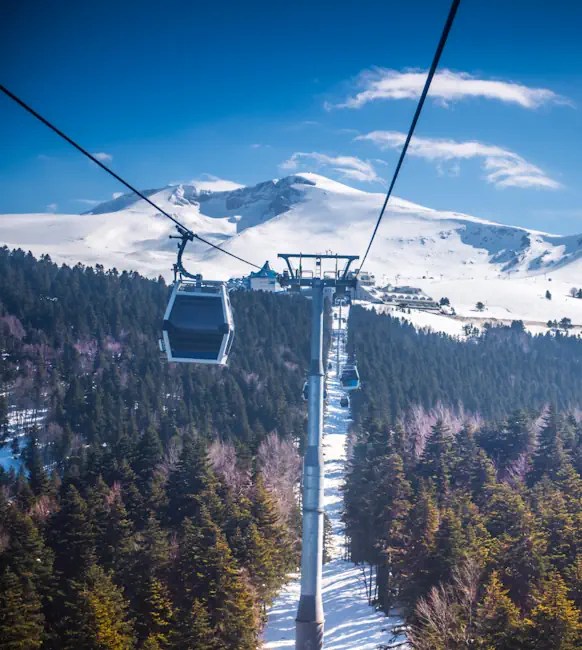
Uludağ: For high altitudes, the famous cable car climbs straight from the southern city center into the pine forests of Uludağ mountain. High-altitude meadows like Çobankaya offer a cool alpine retreat from the summer heat.
Cumalıkızık: Cumalıkızık lies 10 kilometers east of central Bursa and is a 700-year-old UNESCO World Heritage village. The village reveals an intact piece of rural Ottoman infrastructure completely separated from the industrial sprawl downtown.
Peninsula of Gölyazı: About 40 kilometers west of Bursa lies Lake Uluabat and the peninsula village of Gölyazı. Once the site of the ancient city of Apollonia ad Rhyndacum, the area preserves Roman-era remains alongside a working fishing community.

What to eat?
Authentic İskender Kebab: Bursa is the birthplace of this iconic dish, and tasting it here is a completely different experience from the iterations found in Istanbul. It features precisely shaved leaves of local lamb fed on the grasses of Uludağ, laid over pieces of warm pides, and covered in a sharp tomato sauce. The dish is finished tableside with a dramatic pour of sizzling, browned sheep’s butter and paired with a thick, slightly sour sheep’s milk yogurt.
Bursa Süt Helvası: This is the city’s best-kept local secret and the ultimate comfort food. Unlike grain-heavy halvas, this is a smooth, baked milk pudding with a deeply caramelized, dark brown crust. It is served warm straight out of the oven, offering a silky, melt-in-your-mouth texture with a subtle vanilla aroma that is never overly sweet.
Tahinli Pide: Locally known as “Tahanlı”, this is Bursa’s iconic morning pastry. It is a soft, stone-baked flatbread with a hollow center filled generously with rich, sweetened sesame tahini that caramelizes slightly along the edges as it bakes.
How to get to Bursa
By Car: A 2 to 2.5-hour drive from Istanbul via the O-5 highway, crossing the Osmangazi Bridge. This route provides the best flexibility if you plan to navigate the vast distances between the historic center, Cumalıkızık to the east, and Gölyazı on the far western lake peninsula.
By Ferry: (~2.5 Hours Total): Take a passenger ferry from Eminönü (BUDO) or Yenikapı (İDO) to Mudanya port. The crossing takes about 1 hour and 40 minutes. From the Mudanya docks, hop on the F3 public bus directly to the Bursaray metro line (30 minutes), which carries you straight into the historic city center.
By Bus (~3 Hours Total): Regular intercity coaches run 24/7 from Istanbul’s main terminals directly to the northern Bursa Otogar. From the Otogar, you will need to take a 30-minute local city bus (like the 38) to get downtown.
Tekirdağ: Rakı, Vineyards & Village Life
- Distance & Time: ~145 km west of Istanbul (Roughly 2 hours away)
- Best For: Regional wine tasting, coastal culinary tours, and spring landscape photography

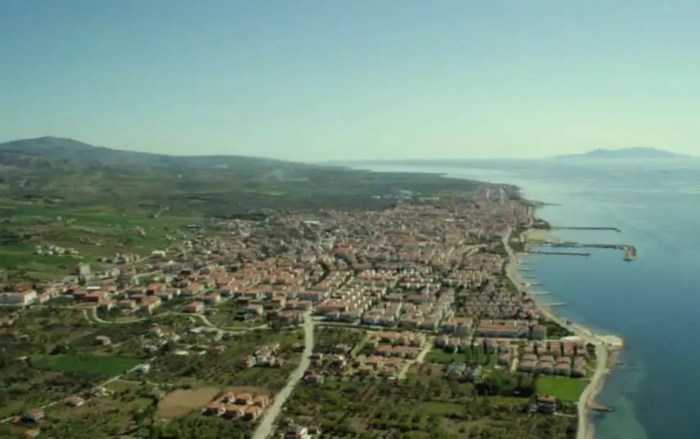
West of Istanbul, Tekirdağ extends along the northern coast of the Marmara and offers a landscape dominated by farmland and open countryside.
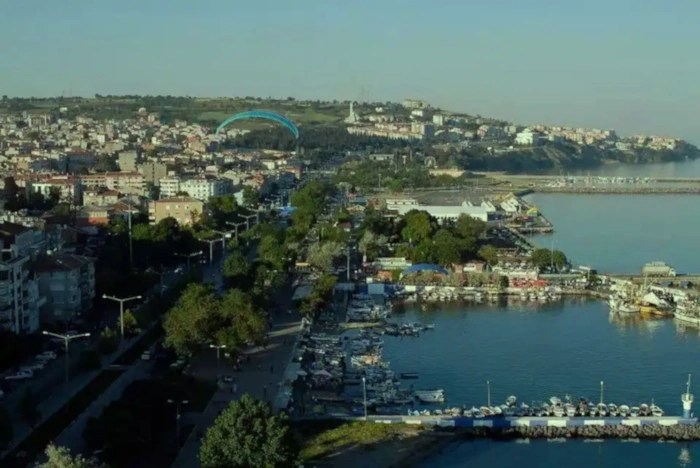
Seaside and the city center: Beyond the seaside promenades, the historic streets reveal unique cultural landmarks. Among them is the Rakoczi Museum, an authentic Ottoman house dedicated to the memory of exiled Hungarian Prince Ferenc II.
Thracian Wine Route: A scenic 1.5-hour drive southwest through the rugged Ganos Hills leads to Şarköy. This coastal district transitions from quiet fishing villages into a dense network of boutique vineyards. It forms the heart of the Thracian wine route.
What to eat?
Tekirdağ Köftesi: Ground regional beef mixed with semolina or stale bread to create a famously bouncy texture. Grilled over high wood heat and served with charred green peppers and artisanal hot paste.
Artisanal Manda Yoğurdu: Thick, traditional buffalo yogurt sourced directly from local Thracian farms. It is so dense it can almost be cut with a knife, making it the perfect accompaniment to clear the palate between bites of savory meat.
Tekirdağ Çılbırı: The ultimate comfort food—perfectly poached eggs layered over smooth, seasoned garlic yogurt and topped with melted butter infused with red pepper flakes.
How to get to Tekirdağ?
By Car: Tekirdağ is about 1.5 to 2 hours west of Istanbul by car. Take the D-110 for coastal views of the Sea of Marmara or the O-3 (E-80) for a faster inland route. Having a car makes it easier to explore the fishing villages and vineyards around Şarköy.
By Bus: Intercity coaches from Istanbul’s Esenler Terminal run every 30 minutes and reach Tekirdağ Otogar in 2 to 2.5 hours. From there, dolmuş minibuses take you to the historic center and waterfront.
Kırklareli: Longoz Forests & Black Sea Simplicity
- Distance & Time: ~215 km northwest of Istanbul (Roughly 2.5 to 3 hours away)
- Best For: Submerged forest kayaking, pristine cliffside coastlines, cave exploration, and artisanal dairy tours
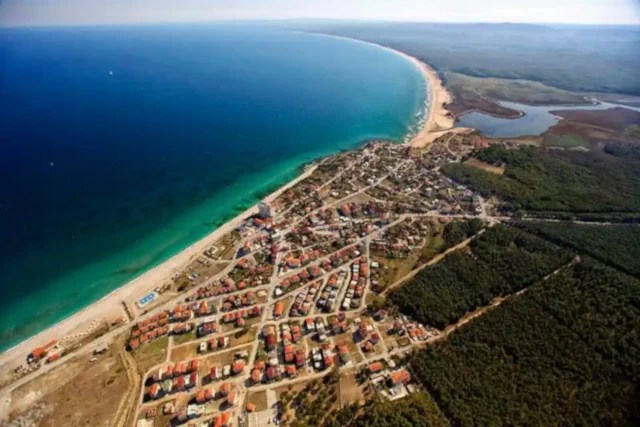

While Tekirdağ stands out for its coastal taverns and rolling vineyards, Kırklareli offers a much quieter, heavily forested Thracian frontier. It trades modern infrastructure for dense woodlands, hidden caves, and an undeveloped Black Sea coastline.
Forests of İğneada: At the northeastern tip of the coast lies İğneada, famous for one of Europe’s few remaining longoz (alluvial flooded) forests. This rare ecosystem develops where mountain rivers meet the sea. Seasonal swamps form here, with ash and oak trees standing submerged in freshwater lakes.
Kıyıköy & Ancient Vize: Further south along the coast lies Kıyıköy, a historic fishing village on red cliffs between two rivers. It offers a quiet coastal escape with wooden skiffs and sandy coves. Just outside is the 8th-century St. Nicholas Rock Monastery carved into sandstone cliffs. On the way from Istanbul, you’ll also pass Vize, home to the only remaining Roman theater in Thrace.
Dupnisa Cave: Located deep in the beech forests of the Istranca range, Dupnisa Cave is a vast two-tiered cave system formed over millions of years. Its lower level contains a subterranean river, while the upper gallery is filled with stalactites. The cave stays at a constant 10–12°C year-round, offering a cool contrast to summer hikes.
What to eat?
Aged Kırklareli Beyaz Peyniri: This is not your standard breakfast cheese. Matured in tins for a minimum of six to nine months, this white cheese relies on high-quality milk from sheep and goats grazing on the wild herbs of the Istranca Mountains. The result is a firm, crumbly texture with a deeply complex, sharp, and salty profile.
Hardaliye: A deeply historic, non-alcoholic Thracian drink made from fermented dark grapes, crushed mustard seeds, and sour cherry leaves. The mustard seeds prevent the grape juice from turning into alcohol, leaving a drink that is thick, aromatic, and pleasantly sharp with a distinct peppery finish.
Manca: A classic Thracian-Balkan cold meze made from charcoal-roasted eggplants and red capia peppers. Finely chopped with plenty of minced garlic, olive oil, and a touch of vinegar, it offers a rich, smoky flavor profile.

How to get to Kırklareli?
By Car: A 2.5 to 3-hour drive from Istanbul via the O-3 (E-80) highway, exiting at Çerkezköy or Saray depending on your destination. A car is recommended due to limited public transit between coastal villages, forests, and caves.
By Bus: Intercity coaches from Istanbul’s Esenler Terminal reach Kırklareli Otogar in about 3 to 3.5 hours. Since the terminal is inland, reaching İğneada or Kıyıköy usually requires regional midibuses or a car.
Leave a Reply