Traffic roars, streets overflow with people, and Istanbul’s endless maze of buildings can feel overwhelming. Yet just beyond the city’s pulse lies a quieter side: tranquil islands, hidden forests, and peaceful villages where you can pause, breathe, and reconnect with nature. These nearby getaways are perfect for day trips or a quick dose of relaxation, showing that peace in Istanbul is closer than you think.
The Princes’ Islands: Istanbul’s Car-Free Oasis
The ferry pulls away from Istanbul’s furious shore, and something remarkable happens. The city’s cacophony — the relentless honking, shouted conversations, and the thrum of millions of lives colliding — gradually dissolves. With each nautical mile, stillness rises on the horizon like a promise.
That promise takes shape in the Princes’ Islands. Here, car-free streets pass wooden mansions draped in bougainvillea, and hidden coves hold turquoise waters. The air, rich with pine and salt, carries the quiet legacy of Ottoman summers — when the city’s elite sought refuge in these timeless retreats.

There are nine islands in all, scattered across the Sea of Marmara, but only four are inhabited. Each moves to its own rhythm, shaped by landscape, history, and a particular sense of time.
Kınalıada, the closest to the mainland and the smallest among the inhabited islands, is a sun-soaked favorite for swimmers. Its coastline is dotted with beach clubs, where lounge music hums over the clink of glasses. Expect day-pass fees, and watch as bodies dive into startlingly clear water.
Burgazada leans into simplicity. More residential, it draws those in search of slow strolls and fewer crowds. While it doesn’t have expansive sandy beaches, the island charms visitors with its lived-in authenticity. Its quiet, pine-scented streets create an atmosphere that encourages you to linger.
Heybeliada, the greenest of the Princes’ Islands, offers a balanced mix of nature, history, and tranquility. Quieter than its larger neighbor, Büyükada, it still delights visitors with cozy cafés. Scenic trails lead through pine forests, and cultural landmarks reflect the island’s history.
For the curious, a short uphill trek leads to the Halki Seminary, a historic Greek Orthodox institution set among towering pines with sweeping views of the Marmara Sea. Heybeliada also appeals to history and literature lovers, with the former Ottoman Naval High School and the Hüseyin Rahmi Gürpınar House.
For a dose of nature, Değirmenburnu Nature Park offers shaded picnic spots, forested trails, and a front-row seat to unforgettable sunsets over the sea.


Büyükada, the largest and most vibrant of the Princes’ Islands, promises a rich mix of history, scenery, and island life. To truly experience it, plan to spend at least a full day.
Stroll through Nizam and Çankaya Streets, where elegant 19th-century mansions hint at the island’s storied past. Don’t miss the abandoned Greek Orphanage, one of the world’s largest wooden buildings and an imposing relic of the island’s past. Another highlight is the hilltop Aya Yorgi Church. The climb can be demanding, but the sweeping views at the summit are well worth the effort.
A word of advice: hike, don’t bike. The hills are steeper than they appear; however, electric vehicles offer a comfortable alternative.
While many visitors leave on the last ferry, staying overnight reveals a quieter side of Büyükada. After dark, the island invites slow dinners by the water, stargazing from forested hills, and peaceful rides along pine-scented streets.
How to Get to the Princes’ Islands
Ferries to the Princes’ Islands depart from various piers across Istanbul. On the European side, you can catch a ferry from Kabataş, Beşiktaş, or Eminönü. On the Asian side, ferries leave from Kadıköy, Bostancı, Maltepe, and Kartal.
Şile: Istanbul’s Black Sea Escape

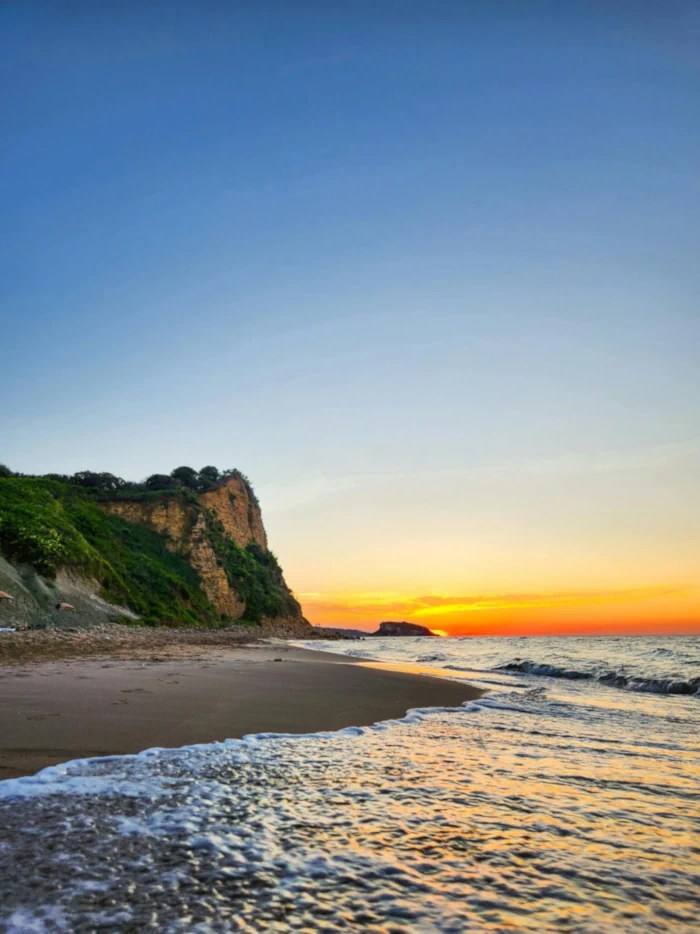

Craving space and true silence? Head northeast. Where Istanbul’s sprawl fades, Şile begins — a rugged Black Sea coastline framed by pine forests and salty air. Şile feels like Istanbul’s opposite. Wind and waves replace traffic noise, and forests offer a quiet retreat for those seeking stillness over spectacle.
The Black Sea here is cooler and less crowded than Istanbul’s southern shores, with a raw, untamed beauty. Swimmers should remain cautious, as strong waves and unpredictable currents are common.
Beyond the shoreline lies Şile’s emerald heart: vast pine forests threaded with well-marked hiking trails, hidden waterfalls, quiet lakes, and shaded picnic spots that invite visitors to slow down and reconnect with nature.


Şile’s charm extends beyond nature. Visit historic Şile Castle for sweeping views of the coastline and discover Şile Bezi. The traditional lightweight cotton fabric, woven locally and often decorated with delicate embroidery, makes a meaningful and authentic souvenir.
For those eager to explore further, scenic roads lead to Ağva, located about 30–40 minutes east of Şile. Nestled between the Göksu and Yeşilçay rivers, this small riverside town is ideal for calm boat rides and waterside dining. It also offers access to untouched landscapes, including the serene Saklıgöl (Hidden Lake).
How to Get to Şile and Ağva?
Renting a car is recommended for exploring Şile and Ağva with ease, but public transportation is also available. The area can be reached by bus, but routes and schedules are limited, so planning ahead is essential.
From Üsküdar on Istanbul’s Asian side, buses 139 and 139T provide an affordable option with an Istanbulkart, though services can be slow and infrequent.
Riva: A Peaceful Escape in Beykoz

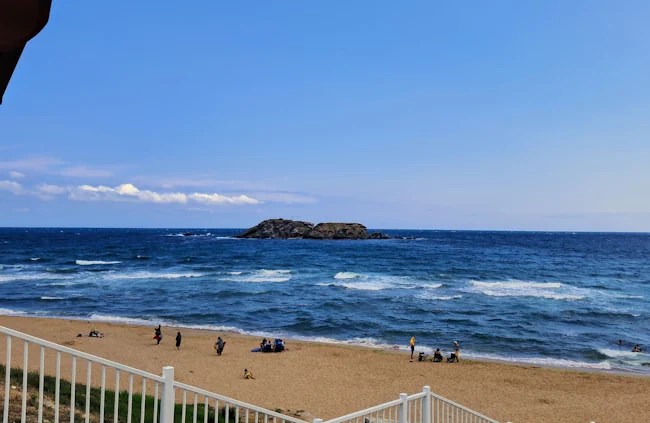
Like Şile, Riva offers a quieter side of Istanbul. Set in Beykoz on the city’s northeastern edge, dense forests meet the wild Black Sea, and the area retains a rural character. Fishing boats bob gently in the harbor, seagulls cry above quiet beaches, and the scent of pine mingles with the salty air.
The coastline offers wide, sandy beaches perfect for long walks and relaxed swims. However, like much of the Black Seat, the waves can be strong. Beyond the shore, winding paths lead into lush forests and hills, inviting hikers and nature lovers to explore landscapes that feel untouched by the city’s chaos.
Adding to Riva’s calm is the Riva River, which gently flows through the area before meeting the sea. Its tranquil banks offer a peaceful contrast to the open coastline and are ideal for quiet moments by the water, and nature photography.
Another highlight is Elmasburnu Nature Park, a serene coastal space where forest meets sea. With walking paths, picnic areas, and panoramic viewpoints over the Black Sea, it’s an ideal spot for a slow afternoon surrounded by nature.
History quietly lingers here too. The ruins of Riva Castle, believed to date back to Byzantine times, stand above the coast, offering panoramic views across the sea and forested valleys.
How to Get to Riva?
Riva is best reached by car, especially for exploring nearby beaches, forests, and riverbanks. The drive takes about 45–60 minutes from central Istanbul via the Şile Highway, depending on traffic.
Public transportation is possible but limited. From Kavacık and Beykoz, buses 136R and 137 reach Riva, but services can be infrequent, so planning ahead is recommended.
Belgrad Forest: Istanbul’s Green Lungs


Located just a short drive from the city center, the Belgrad Forest is one of Istanbul’s largest green spaces. This expansive woodland, with its towering trees and invigorating fresh air, is a haven for outdoor enthusiasts.
Expect well-maintained walking, jogging, and cycling trails. You’ll also find plenty of dedicated picnic areas, and for a unique way to explore, look for horseback riding opportunities.
For those interested in history, the forest is home to several impressive, centuries-old Ottoman aqueducts, though reaching them often requires a longer walk into deeper sections of the woods. You might also discover the Atatürk Arboretum, a botanical garden within the forest, showcasing a vast array of plant species.
How to Get to Belgrad Forest?
Belgrad Forest is about 30–45 minutes from central Istanbul and can be reached by car, taxi, or public transport. A common route is to take the M2 Metro to Hacıosman, then continue by Bus 42HM or 42 to Bahçeköy. Alternatively, Bus 42T runs from Taksim via Levent and Maslak, offering a more direct option.
Polonezköy: Istanbul’s Polish Village


Step into Polonezköy, a unique village founded by Polish immigrants in 1842, and you might just ask yourself: Am I still in Istanbul? It’s a remarkably peaceful retreat, offering a charming, almost pastoral atmosphere and abundant greenery – an ideal setting for a tranquil day trip spent outdoors.
Walking and hiking trails wind through lush forests, while picnic and barbecue areas invite relaxed breaks. Visitors can also explore the landscape on horseback and photograph verdant scenery and village scenes. Cafés and restaurants set within the greenery offer a pleasant place to unwind.
Beyond its natural beauty, Polonezköy is rich in history. Visitors can delve into the village’s past at the Polish House Museum (Zofia Rızı Anı Evi) and the historic St. Mary’s Church. These sites offer a glimpse into the lives of its Polish founders and their enduring legacy.
How to Get to Polenezköy?
The easiest way to reach Polonezköy is by car, with the drive taking about 45 minutes from central Istanbul via the Şile Highway. While public transportation is available, it’s limited: buses 137 and 135K run from Beykoz and drop passengers at the Polonezköy junction, followed by a 20–30 minute walk to the village center.
Aydos: Istanbul’s Highest Point
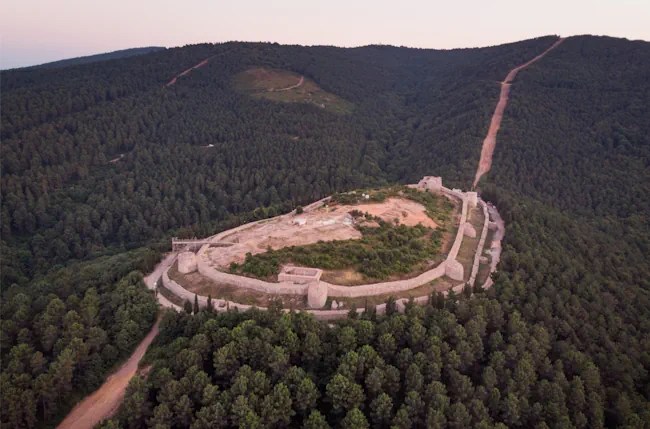

Located on Istanbul’s Asian side, Aydos Forest surrounds Aydos Hill, the city’s highest natural point. Despite its proximity to dense residential areas, the forest feels surprisingly wild. Tall trees close in overhead, dirt paths replace paved streets, and the city’s noise fades into birdsong and rustling leaves.
Aydos Forest is ideal for hiking, jogging, and cycling, with trails ranging from gentle woodland walks to more challenging uphill routes. At the summit of Aydos Hill, visitors are rewarded with sweeping panoramic views and the remains of Aydos Castle.
On clear days, the view stretches across Istanbul’s sprawling skyline to the Marmara Sea and even the Princes’ Islands in the distance – a powerful reminder of the city’s scale and natural beauty.
At the foot of the hill lies Aydos Lake, a calm, scenic spot popular for picnics. Surrounded by trees and open green spaces, it’s an ideal place to slow down, especially for families and those seeking a peaceful escape.
How to Get to Aydos?
Driving is the most convenient option, taking about 30–45 minutes from central Istanbul, with multiple access points and parking areas around the forest. By public transport, take the M4 Metro toward Sabiha Gökçen Airport and get off at Kartal or Yakacık–Adnan Kahveci. From there, continue by dolmuş or bus to Aydos Forest or Aydos Lake.



Leave a Reply